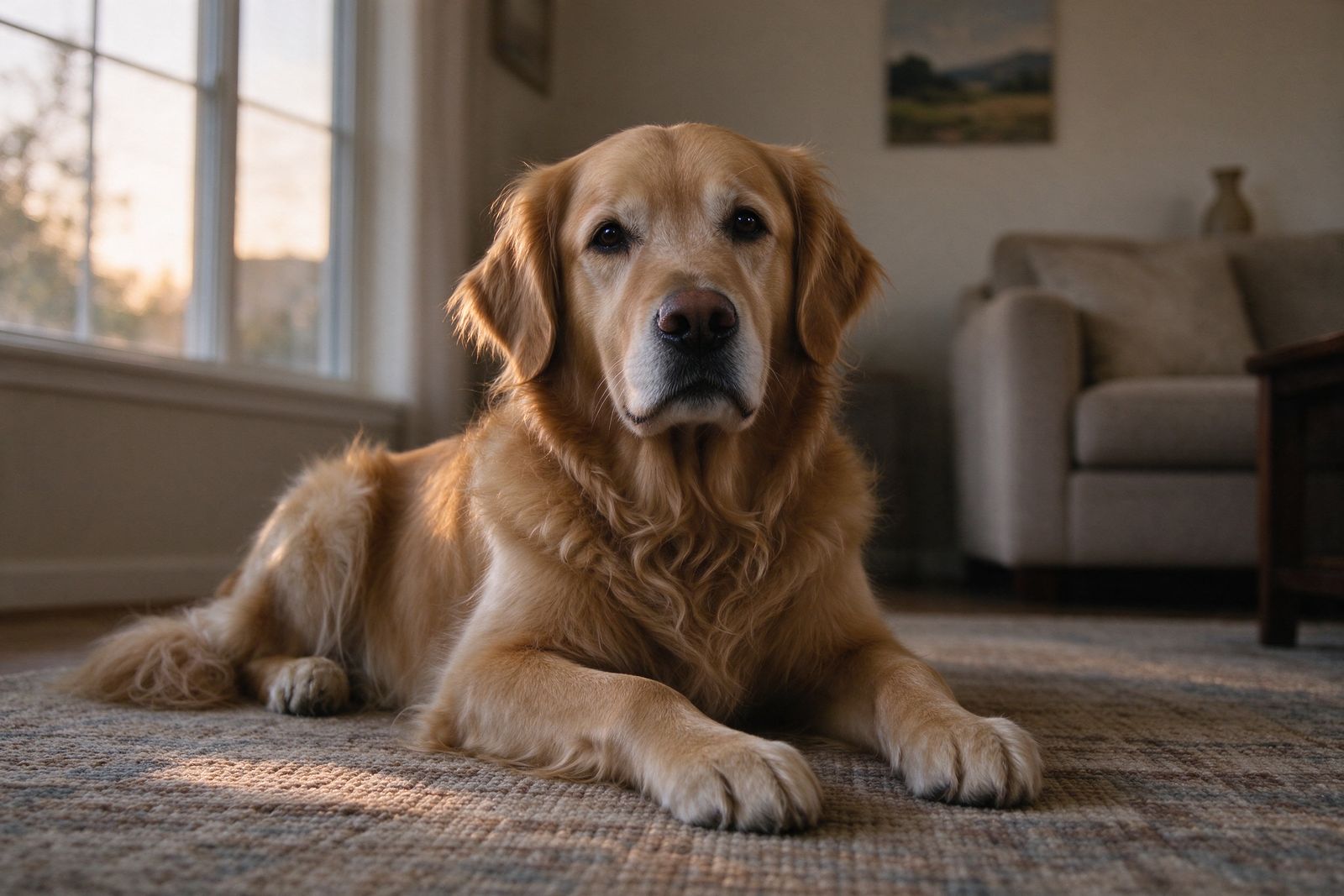
Pet CBD is a fast-growing shelf category: oils with droppers sized for small mouths, chews shaped like treats, balms for paws. The marketing is warm and confident. The science and the regulation are much less settled than the packaging suggests. This guide sets out what an owner can reasonably know before talking to a veterinarian, and it is built around one rule that applies to every section: ask your veterinarian before giving any CBD product to an animal. Your vet knows your pet's age, weight, health history and medications. A product page does not.
What Is and Isn't Known
As of this writing, the FDA has not approved any CBD product for use in animals. That means pet CBD products have not been reviewed by the agency for safety, effectiveness, manufacturing quality or correct labeling. Research in animals exists but is limited, and results in one species, size or age group do not automatically carry over to another. Animals also process substances differently from people, which is why a product made for humans is not a smaller version of a pet product.
None of this means every pet product is unsafe. It means the burden of checking falls on the owner and the vet, using the same tools a careful human buyer uses: a clear label and a batch-matched lab report.
Never share your own product
Human CBD products can contain THC, which is dangerous for pets, and some gummies and baked goods contain xylitol, a sweetener that is toxic to dogs. Chocolate is a problem for dogs too. Keep human products locked away, and never use one for a pet without your veterinarian's direction.
Why Your Veterinarian Is the Right First Stop
A veterinarian can look at the whole animal: existing conditions, other medications and supplements, liver function, age and weight. CBD can interact with some medications in people, and owners should assume interactions are possible in animals too until their vet says otherwise. Rules about what veterinarians may discuss or recommend regarding cannabis products have varied by state, so if your vet is cautious, that caution may reflect the law as well as the evidence. It is still the right conversation to have.
Reading a Pet Product Label
The checks are the same as for human products, with a few additions. Find the CBD amount per container and per serving, the batch number and the expiration date, then open the lab report and match the batch. Read the full ingredient list for flavorings, sweeteners and anything your vet has told you to avoid. Look at whether the product is labeled for the species you have; a product for dogs is not automatically suitable for cats. Our label and COA guide walks through a sample report step by step.
Label checks for pet products
| Check | Why it matters for pets |
|---|
| Species on the label | Animals differ in how they process substances |
|---|
| THC result on the report | THC is dangerous for pets even in small amounts |
|---|
| Full ingredient list | Sweeteners, flavorings and essential oils can be harmful |
|---|
| Batch number and date | Links the product to a specific lab report |
|---|
Pet Formats and What Each Asks of You
Pet CBD comes in a few common shapes, and each one puts a different job on the owner. Chews and treats are easy to give but easy to confuse with ordinary treats, by you, a pet sitter or a hungry dog that finds the bag; store them separately and label the container. Oils are measured with a dropper, so any amount your veterinarian suggests depends on reading the concentration correctly; ask your vet to write it down in milliliters or drops for the exact product. Topicals go on the skin or paws, where animals tend to lick, so ask whether licking matters for the product you are considering. Whatever the format, write down what you give and when, and bring that record to your next appointment.
Claims to Treat With Suspicion
Pet products sometimes promise to fix anxiety, joint problems or other conditions. Products that make disease or treatment claims for animals without approval are a red flag, exactly as they are for human products. Look instead for plain facts: what is in it, how much, and proof from an independent lab.
Accidents and Emergencies
Store every CBD and cannabis product, human or pet, where animals cannot reach it, and keep chews separate from ordinary treats. If a pet eats a product it should not have, or seems unwell after any product, call your veterinarian or an emergency clinic straight away. In the U.S., the ASPCA Animal Poison Control Center can be reached at (888) 426-4435; a consultation fee may apply. Have the package with you so you can read out the ingredients and amounts. The storage guide covers safe storage in more detail.