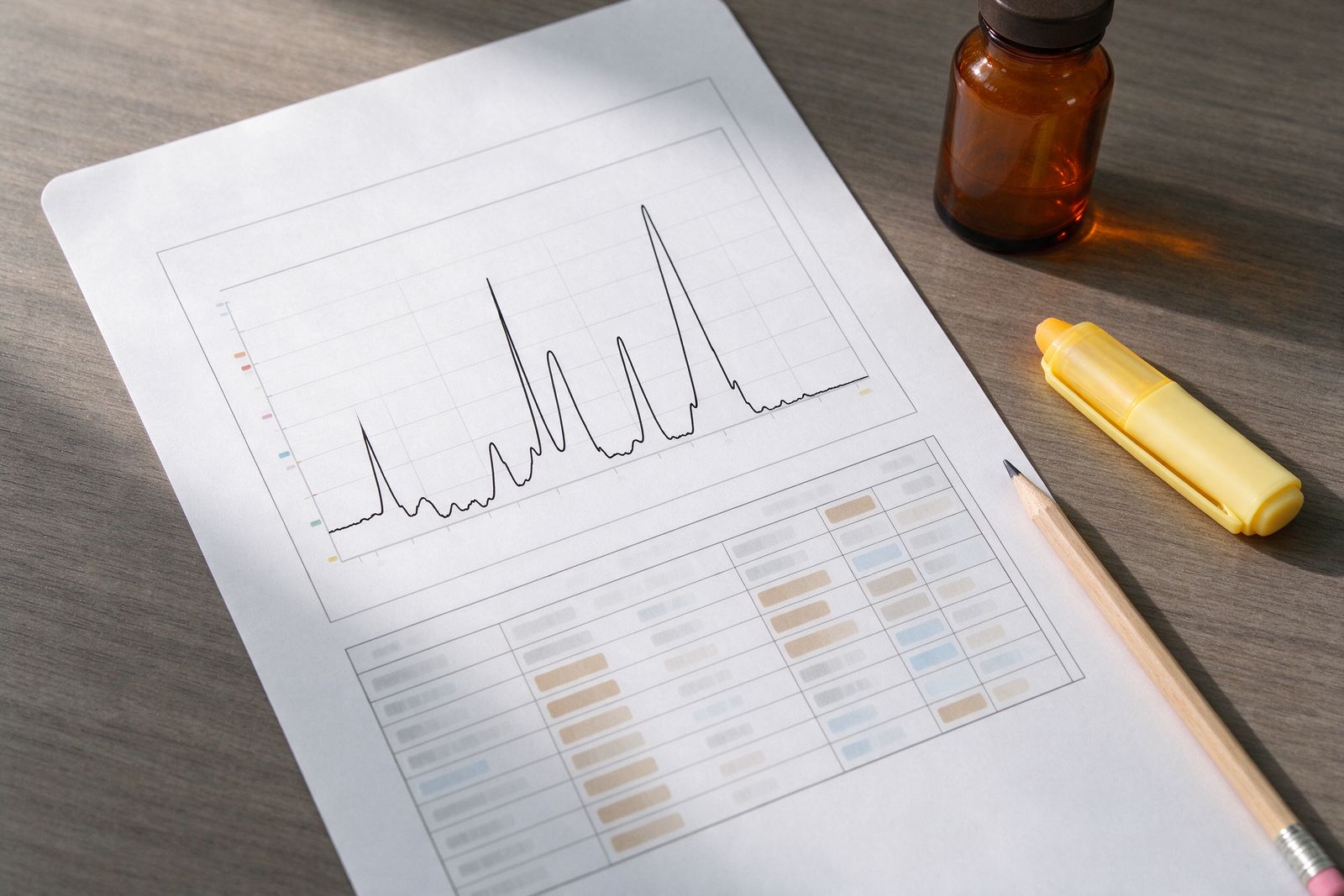
A lab report describes a product on the day it was tested. What happens after that depends partly on you. Cannabinoids and the oils they are mixed into slowly break down, and four things speed that up: light, heat, air and time. None of this needs special equipment. It needs a sensible spot in the house, a closed cap and a glance at the date. Storage also has a second job that matters as much as freshness: keeping products away from children and pets.
Why a Product Changes After It Leaves the Lab
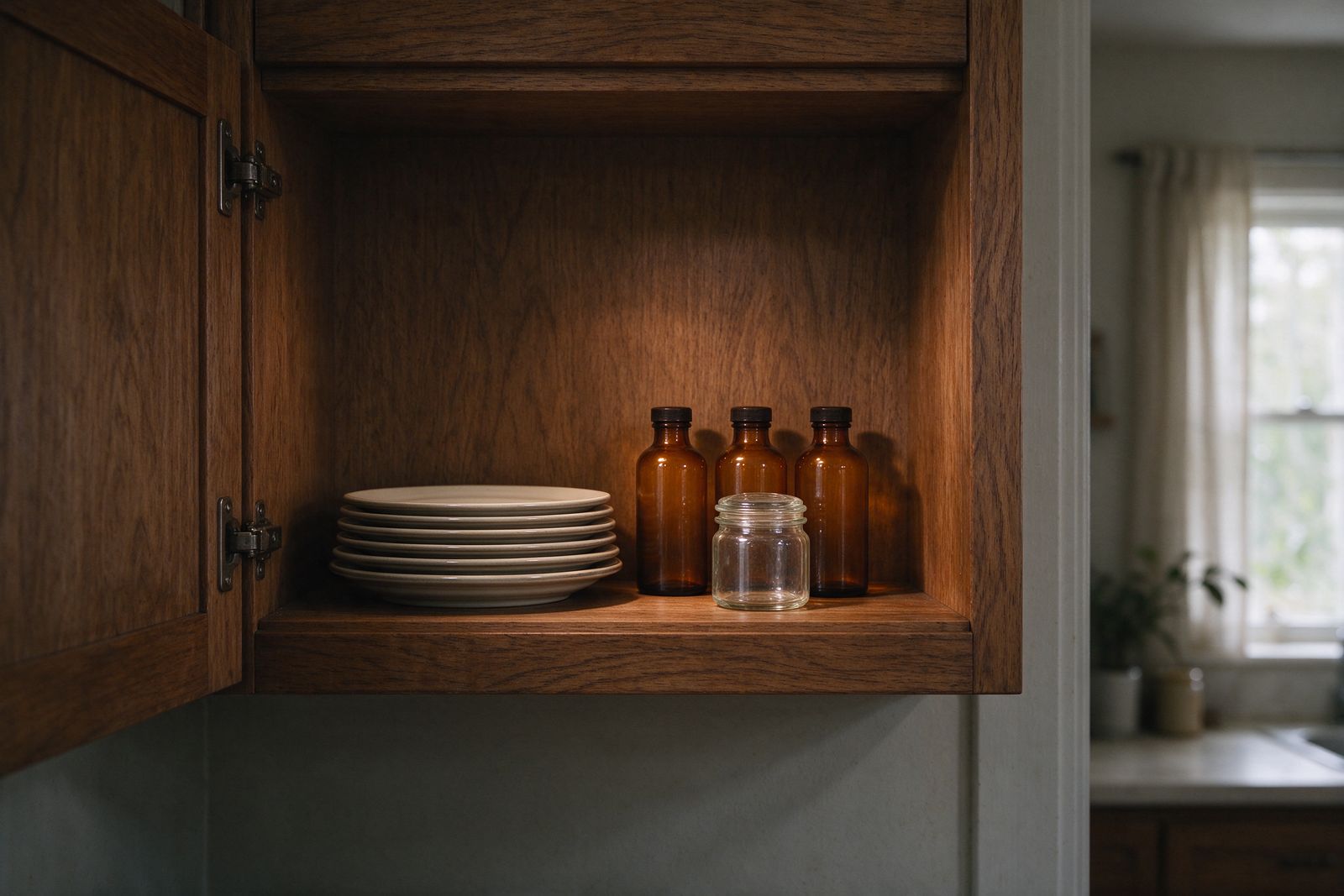
CBD is reasonably stable, but it is not inert. Exposure to light, especially sunlight, and to heat gradually degrades cannabinoids, and oxygen does the same to both the cannabinoids and the carrier. Carrier oils matter more than people expect: like any cooking oil, they can turn rancid, which changes the smell and taste long before the bottle is empty. Gummies can dry out or sweat, and topicals can separate. The result is a product that may hold less CBD than its label says and may not taste or feel the way it did when new.
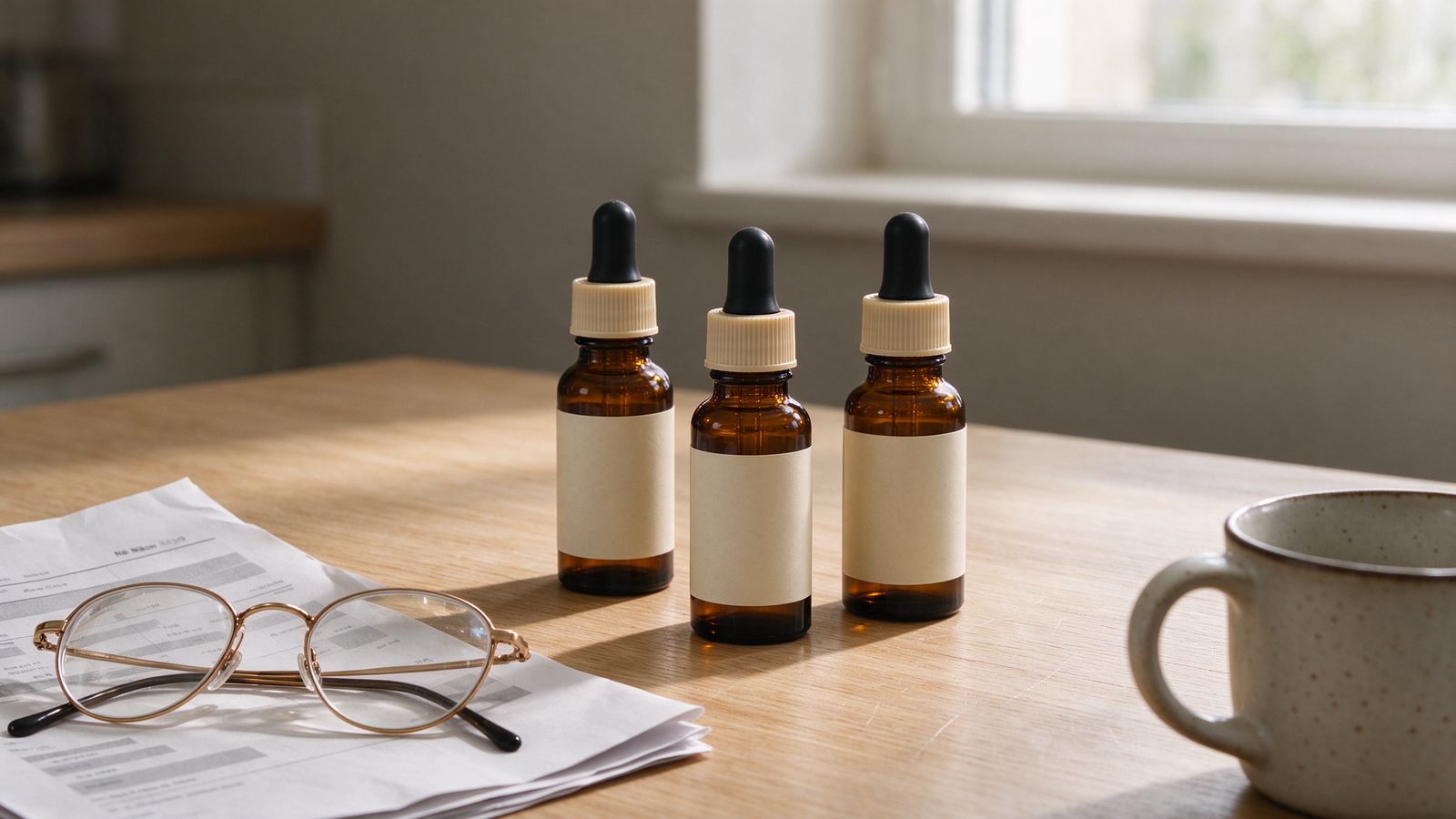
This is also why the amber or opaque glass most oils come in is not decoration. Tinted glass blocks a good share of light. Clear bottles on a sunny windowsill are the opposite of what the product needs.
Storage by Format
General habits by product type; always follow the label first
| Format | Where | Watch for |
|---|
| Oils and tinctures | Cool, dark cupboard, upright, cap tight | Rancid smell, a dropper bulb that has cracked |
|---|
| Capsules and softgels | Original container, away from bathroom steam | Softgels sticking together or leaking |
|---|
| Gummies | Sealed container, high or locked shelf | Sweating, hardening, mold, and curious children |
|---|
| Balms and lotions | Room temperature, lid on | Separation, odd smell, changes in color |
|---|
Reading the Date on the Package
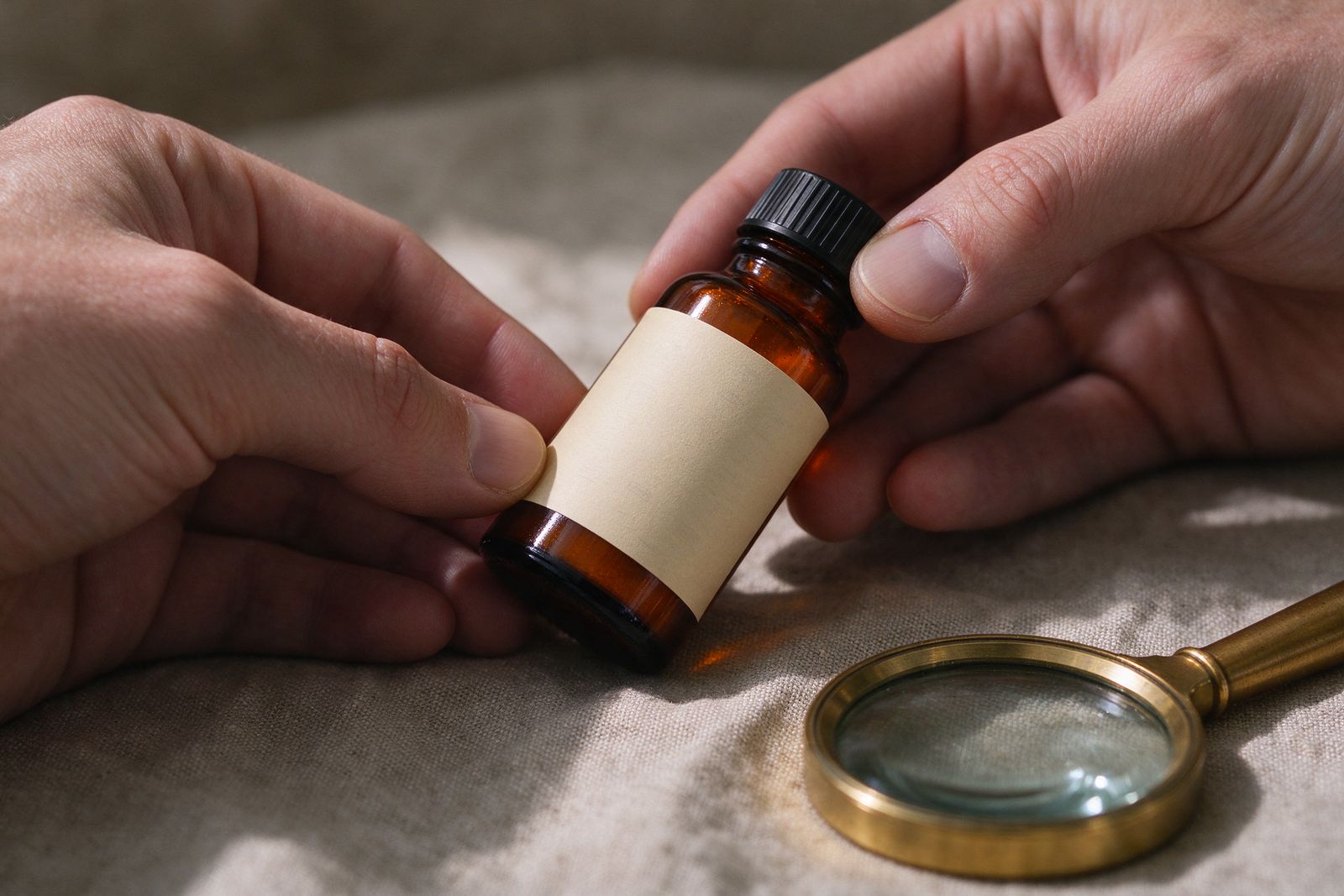
Look for an expiration date, a best-by date or a manufacture date with a stated shelf life. They are not the same thing. An expiration or best-by date is the maker's estimate of how long the product holds up unopened under the storage conditions on the label. A manufacture date tells you how old the product already is when you buy it, which is useful when comparing two batches on a shelf.
A small habit that helps
Write the date you opened a product on its box or label with a marker. Opened products age faster than sealed ones, and memory is unreliable after a few weeks.
If a package carries no date at all, add that to your list of questions for the seller. It is one of the five facts every label should show, alongside the batch number that links it to a lab report.
Signs a Product Has Turned
- Smell that is sharp, sour or paint-like, which often means the carrier oil has oxidized.
- Color that has darkened noticeably compared with when it was new.
- Texture changes: an oil that stays thick or cloudy at room temperature, gummies that weep or harden, creams that separate.
- Anything growing on gummies or in a jar is a clear stop.
When a product shows any of these, it is not worth the risk. Ask your pharmacist or local waste service about disposal. Do not pour oils down a drain.
Children, Pets and Shared Homes
Storage is a safety issue as much as a freshness one. Gummies and chocolates can look exactly like ordinary sweets, and children will not read a label. Some products made for people also contain sweeteners such as xylitol, which is toxic to dogs, and THC is dangerous for pets. Keep CBD products in their original labeled packaging, up high or locked, and separate from food. If a child or pet gets into a product, contact Poison Control (1-800-222-1222 in the U.S.) or your veterinarian straight away, with the package in hand.
If you are thinking about CBD for an animal, read our pets and CBD guide and talk to your veterinarian before buying anything.
Travel and Storage Away From Home
A bag in a hot car or a sunny hotel window undoes good storage at home. Keep products in their original packaging with the label visible, and remember that hemp rules differ between states and countries. A 2025 federal law changes the hemp definition starting in late 2026; check current federal and state rules, and the rules of anywhere you are travelling, before you pack. The hemp rules guide explains the background.